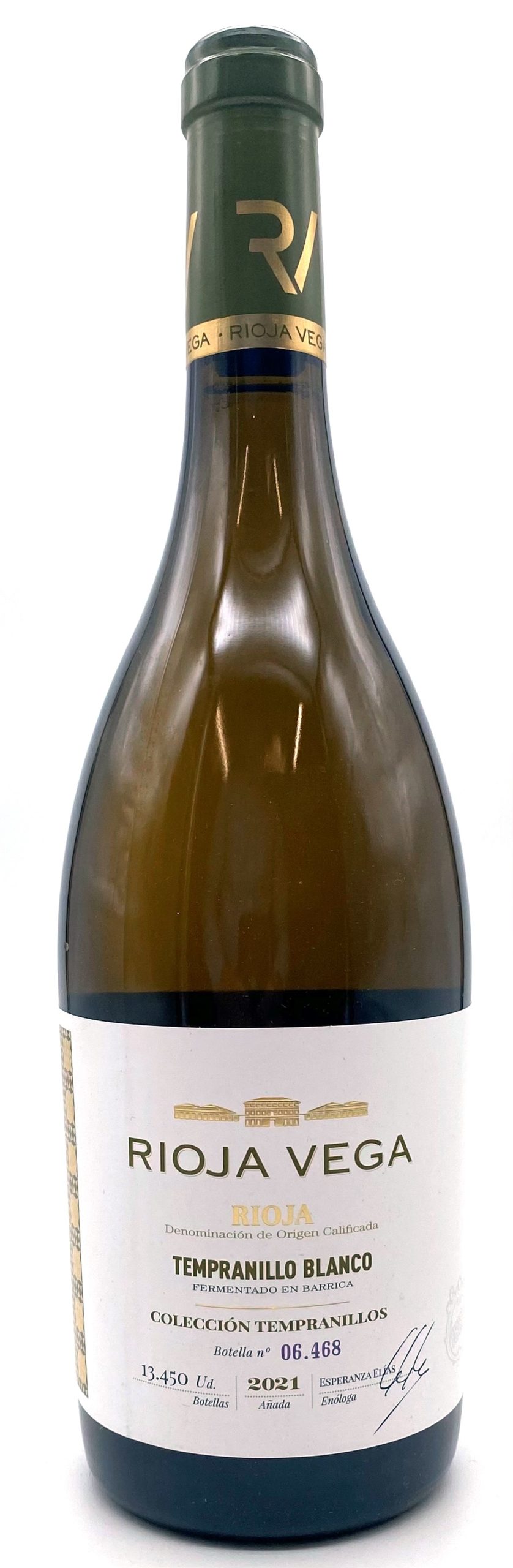
RIOJA VEGA TEMPRANILLO BLANCO 2024

£15.89

Rioja Vega Tempranillo Blanco is a Grog stalward and hugely popular choice. A gorgeous peaches and cream ripe and rich style of white wine made from Albino Tempranillo grapes. Fermented in new French oak for 6 months. 
Fermented in oak
Vegan

In stock

SKU: 00876 Categories: ,

Description

Rioja Vega Tempranillo Blanco is a Grog stalward and hugely popular choice. A gorgeous peaches-and-cream ripe, rich white made from albino Tempranillo grapes. Fermented and aged in French oak for 6 months. With a gloriously rich yet not overpowering finish. This needs to be in your fridge. It’s what you give to people who say they usually only drink red wine, beceause this is incredibly richly flavoured.

GRAPE Tempranillo Blanco CLOSURE Cork
REGION Rioja VEGETARIAN Yes
VINTAGE 2024 VEGAN Yes
ABV 14.5% ORGANIC No

About Rioja Vega: https://www.riojavega.com/en/rioja-vega/

Our other wines from Spain: https://www.greatgrog.co.uk/product-category/wine/european-wine/spain/

DRY    |________*________|________|________|     SWEET

LIGHT  |________|________|________*________|     FULL BODIED

NO OAK    |________|________| ________|________*  OAKY
 

Additional information

Rioja Vega

Founded in 1882 in Haro , Rioja Vega originally started as Bodegas Felipe Ugalde. By 1921 it had officially become Rioja Vega, an estate based on the Chateau model of Bordeaux, surrounded by vineyards in Venta Jalon near Logrono. In 1983 it was bought by Principe de Viana who invested heavily in the vineyards and winery itself enabling them to concentrate on the quality of their wines. They even have their onw cooperage

Production

VITICULTURE
The grapes come from a rain fed vineyard on a slope with poor soils, but well balanced structure. Half the vines are planted on bush vines and the other half on trellis lines. Very low yields.

WINEMAKING PROCESS
The grapes are kept at a low temperature from the very harvest, to the free run extraction of the must. Alcoholic fermentation and ageing on its fine lees in oak barrels of various origins and different toasting levels during 30 days. Regular “battonage” carried out to keep the fine lees in contact with the must.